The Architectural Detail – Its Significance for a Building’s Appearance
The importance of architectural detail for the appearance of a building
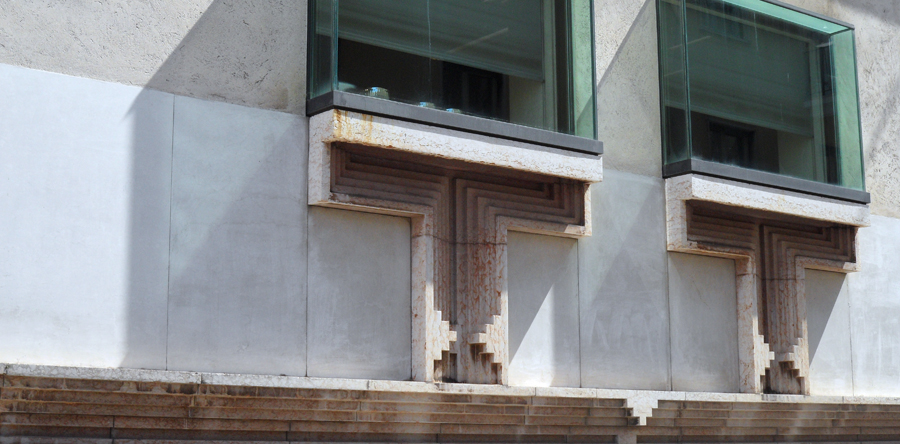
A well-thought-out architectural detail is extremely important in the design, construction and perception of any building. “Architectural detail” refers to the combination of materials at certain key points, which are decisive both for the overall appearance of your house and for the solid roof over your head. Some details are purely decorative, but designing them still requires an excellent knowledge of the specific characteristics of the materials. Through them, the architect creates accents and conveys a message, encoding certain feelings to evoke in the observer – grandeur, ease, charm or austerity. The decorative detail is the element that stands out in the entire composition of a building, seeking to preserve its soul in that focal point.

Since ancient times, architects have used decorative elements and details in their buildings. Examples can be found in ancient Greece and Rome, where architecture was a medium for rulers to demonstrate their greatness and conquests. In those times, it was believed that the more richly decorated a building was, the greater the respect and awe the ruler/emperor should inspire. Similar currents in architecture were widespread even in the 20th century with the emergence of post-modernism.

In the 21st century, glass façades have conquered the modern city, pushing those old-time, dignified stone façades into the background. The architect’s drive to make the new modern building as technologically advanced as possible seems to have given new meaning to the decorative detail and created that striking contrast between the old classical edifice and the new office building, seemingly sculpted from metal and glass. Contemporary concepts of a building’s architectural design differ more and more from the old classical buildings.

Today, decorative elements are designed using different means of expression, dictated by new materials and technological trends. The gratuitous repetition of decorations from the past has been replaced by a more stylised form, which catches the eye above all with its style, shape and character. A detailed architectural project is essential for the successful completion of any construction site. In practice, a well-designed architectural detail is decisive for the quality of the final product.

Modern architecture is developing a new approach to detail, one that seeks to unify the volumes of the building, giving it a complete finish. Unfortunately, in our practice we increasingly witness gratuitous decoration on the façades of new buildings. After all, architecture is guided above all by local traditions, way of life and aesthetic trends. The true value of a building lies not in an excess of decorative elements, but in the correct and moderate use of decorative detail in the context of its surroundings, period of construction and function.