Designing a house. The modern house – a look at global trends
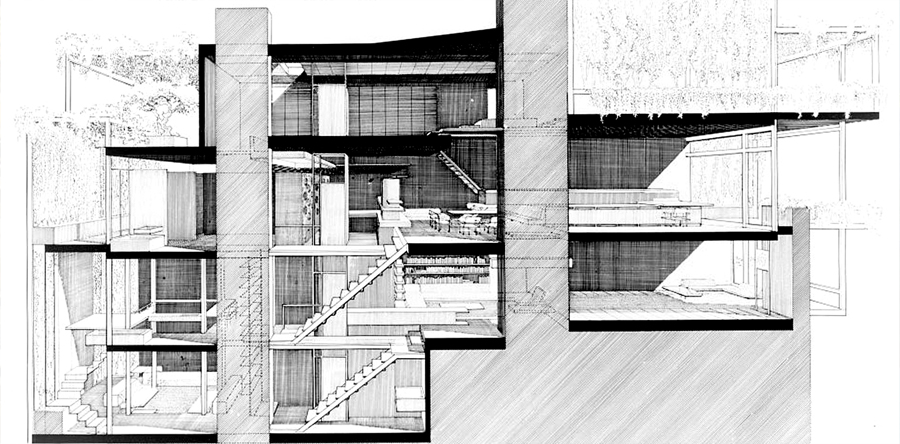
The contemporary house – a look at global trends
For some time now, a trend of avoiding the city centre as a place to live has also been seen in our part of the world. In the hectic pace of everyday life, the modern Bulgarian looks for a home on a quiet, picturesque site where they can unwind from the problems and stress built up during an intense working day. This shift in the way Bulgarians think is driven by trends in Western Europe and America, where financially stable people live far from the noise and rush of the big cities. They choose to build their house with an eye on contemporary, global trends in house design.
House projects on the outskirts of big cities are being built, forming neighbourhoods and entire communities. Some, of course, consider this way of life boring and closed off – but not the owners of such contemporary houses.

The cultural layering of our history has also left its mark on the architecture and interior design of houses. The many faces of the old Bulgarian house in the different regions of the country bear witness to our ancestors’ ability to adapt to regional conditions. Today there are few examples where architectural monuments coexist with contemporary buildings in a balanced way, in line with the trends of the Old Continent.
Unfortunately, this mix turns into an unattractive sight, often resulting in scandalous buildings whose problems date back to the design of the house. It is precisely the failure to handle this historically rich setting that gives rise to misguided visions and the belief that the bigger and more conspicuous our own house is compared to the others, the higher our social status.

Abroad, however, they look in a different direction. House design takes many factors into account. The key ones are the functionality of the house; its interaction with nature; and the volumes and materials through which it relates to the surrounding buildings, so as to create a complete and harmonious silhouette. This is what defines a quality project – not the number of ornaments on the façade that ignore the style and purpose of the building.
In-depth research into energy efficiency, the drive towards zero emissions, the use of natural materials, and open-plan spaces with plenty of natural light are just some of the contemporary trends in residential construction around the world.

The look of these buildings is most often simple and clean. The buildings are designed to blend into their surroundings through the natural materials they are made of, as if becoming part of the nature around them. The interior design takes into account the occupants’ lifestyle, as well as the times of day when they use each room. All of this is matched to the position of the house and the direction of the sun’s rays.
The design of this type of modern, contemporary house is quite rare in our part of the world. The reasons are people’s prejudice against the new and unfamiliar, and the lack of a tradition of building this particular type of building. What is needed is to take all the other factors into account and to accept that a building should not stand on its own against the background of its neighbours and nature, but should be part of the whole ensemble, complementing its surroundings and giving them a unique character.
- architects burgas
- burgas
- contemporary design trends contemporary design trends
- house
- House Design
- house design in burgas
- houses
- houses design